Follow Me

Close

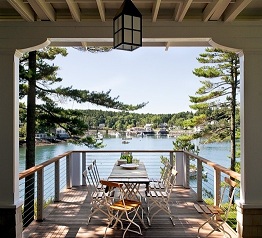
The allure of water is universal. Water views seem to soothe away stress and encourage contemplation. A shoreline interior should begin by considering the setting.

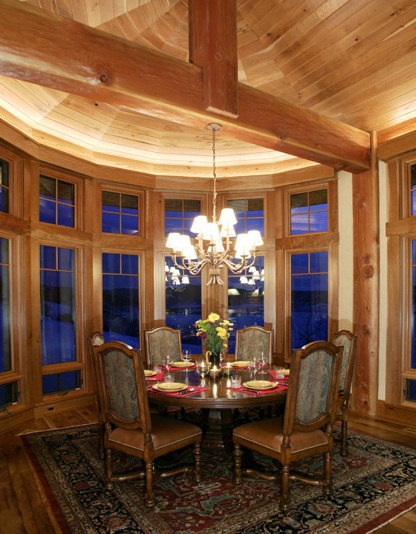
The first step is to ensure that views are visually accessible, and that exterior doors can be accessed. The two rooms below, by architects on Houzz, each have two focal points–the water and a hearth.

 house on the water

Window treatments can soften a space and are often necessary to control light. But they should not take away from the view.

house on the water

An outdoor conversation cluster is a gathering spot, a focal point, and a destination to move toward throughout the evening. This applies to traditional, transitional, and modern homes alike.

 home on the water

house on the water


home on the water

The homes below are nestled into the landscape, with natural materials and understated scale.

 home on the water

home on the water

house on the water

What is your vision for the perfect home on the water? Contact us at Home on the Range and give us the opportunity to meet with you and discuss your vision.  We are based in the Rocky Mountain area but have designed homes on the water and in the mountains nationwide.

Home on the Range is currently working on a Frank Lloyd Wright inspired home designed by Architect Joe Patrick Robbins, AIA in Houston,Texas and we will be sharing details from the home throughout the construction process.  Wright’s appreciation for natural materials and the landscape make his Prairie Style homes timeless.  I am constantly amazed by the details he used 100 years ago that are currently popular in contemporary design.

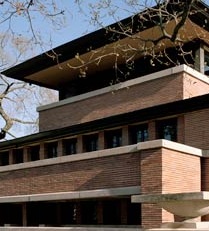
Few individuals in history have had the honor of creating an architectural style. Frank Lloyd Wright changed the American landscape with Prairie Style, which he developed at the turn of the 20th century. The first Prairie Style structures were designed to “reflect the  long, low horizontal prairie on which they sat with low-pitched roofs (and) deep overhangs,” according to the Frank Lloyd Wright Foundation.  The other transformation attributed to the Prairie Style was the change from dark chopped-up rooms to open interior spaces with more light.   Below is one of the first Prairie Style residences, Wright’s Frederick C. Robie House in Chicago (1908).

Robie House

Robie House image via gowright.org

The home’s understatement and harmony with the landscape is quintessentially American. Another Prairie Style home with these characteristics is the Avery Coonley Housein Riverside, Illinois (1907). The landscape designer Frederick Law Olmstead did a wonderful job of further integrating the home into its surroundings.

Coonley Gardens

Coonley Garden


We find an overlap in style between Arts and Crafst style, Mission and Prairie style and will be using elements of all three in the Houston home.  Below are pictures of some of the inspirations we are using for cabinet design.

Arts and Crafts style shoji sideboard

Prairie style sideboard design

Prairie style sideboard designCraftsman Ceramic Tile Alchemy tileYamagiwa light fixture

Hardware example


Yamagiwa light fixture from Oak Park Home and Hardware

Examples of the Frank Lloyd Wright Prairie Style homes can be found throughout the United States.

Be sure to watch for the following key Prairie Style elements in our future posts on the Houston house.

  • Low-pitched roof
  • Overhanging eaves
  • Horizontal lines
  • Central chimney
  • Open floor plan
  • Clerestory windows

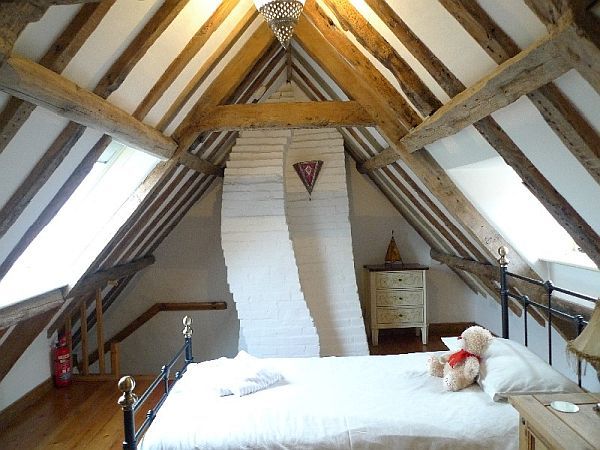
Attics have captured the imagination of children for centuries due to their cozy scale and intriguing character – did you ever go on a treasure hunt in an attic when you were young, or play hide and seek under the eaves?  Here are images which demonstrate how attics continue to inspire us with their nooks and crannies even as adults.

  • RUSTIC – from western to shabby chic, the rustic spaces below delight the senses with the patina of the reclaimed wood ceilings, the interesting textures and the charming furnishings:
rustic attic

Image via Archilook


rustic attic 2

Image via Arcilook


rustic attic

Image via Arcilook


rustic attic

Image via Arcilook

CLEAN-LINED.  The attic rooms below have a cleaner, lighter, more modern look which is achieved by using either white painted wood or white bedding.  The addition of architectural detail or wood elements keeps them from looking too stark and maintains a hint of “rustic”.

attic bedroom

Image via Arcilook


attic bedroom

Image via Arcilook


attic bedroom

Image via Arcilook

Attics provide not only a bonus room but also an escape. Though there may not be a treasure chest hidden in these spaces, they are still quite rewarding.


Image source: Archilook

Albert Hadley says;

“….the designer must be able to see – make a concentrated effort to absorb the essence of the project. Seeing is a very difficult thing to do. Most people “look” at a lot of thing but never “see” anything. Looking is emotional; seeing is an intellectual process.”

Few things in life are as enriching as creating a warm haven for your family. Partnering with a caring, experienced designer lets you focus on your overarching vision while ensuring that the process runs smoothly and the details are thought out in advance.   It is your home, where your memories will be made, and you want to be able to enjoy the creative process instead of being stressed by constant decisions and deadlines.  An interior designer provides a blend of technical problem solving skills and creativity, providing you with support, making your life easier, creating a home that is everything you dreamed of, and helping you to save money in the process!


Below are some of the key  services an interior designer can provide:

Space planning – helping you determine the best placement of your furniture after careful research into your lifestyle and the way you would like each room to function.  This advance planning will help avoid costly change orders.  A designer will take into consideration scale, proportion, balance and composition when planning your spaces.

Material and finish selection and coordination – narrowing down selections for everything from your flooring to your cabinet hardware, ensuring that all of the components are well thought out and work together to create a whole that is more than the sum of its parts, and then communicating the decisions to the builder and subcontractors.

Color selection – analyzing the interplay of light in the rooms at different times of the day;  color theory and understanding your color preferences will also enter into color selection.  The environment in which the house will be located also plays a large role in your color scheme.

Designer resources –you will enjoy the advantage of carefully nurtured relationships with the finest artisans who will add custom elements to your home. If you hire an experienced designer you will also have access to furniture and fabric sources that have been developed from years traveling to markets in the US and abroad.

Fine art, rug and custom accessory selection and placement – the finishing touches!

Management of delivery & installation and standing behind the products – this service will make the final hectic days of your process much less stressful for you.  At Home on the Range we even make the beds and install the towels!


In conclusion:

An interior designer is a professional who is qualified to ensure that the finishes and furnishings in your home stand the test of time. Interior designers bring a passion for good design and a creative flair to your project.   Using a designer helps you avoid costly mistakes and, more importantly, helps you to create a home you will enjoy with family and friend for years to come!

For more resources and to find the interior designer who will be the right fit for you, visit:

ASID – find a designer

Mountain Living Magazine – Luxury Resource Guide

DCD Home – Interior Designers

Mountain Living Magazine Top Architects and Designers

And of course, contact us at Home on the Range and give us the opportunity to meet with you and discuss your vision.  We are based in the Rocky Mountain area but have also worked with  clients in states ranging from Texas to Massachusetts!



Seeing Apartment Therapy’s post on “Rustic Front Doors” got us thinking about the beauty of rustic doors whether in the entryway or an interior space in the home. Here are some great images that show stunning rustic doors in design.

This is one of the doors featured in the Apartment Therapy post, and we think it’s a great statement to come home to each day.

Who says a rustic element can’t be colorful? These weathered green doors aren’t short on style.

Here’s a great sliding door used inside a home.

In this bedroom design, rustic doors make for a unique and beautiful headboard that adds nice contrast to softer elements in the space.

Rustic doors work perfectly in this Western mine-style design by Home on the Range.

What do you think of using rustic doors in design? Leave a comment below to share your thoughts!

Images: 1 via Apartment Therapy; 2 via 28.media.tumblr.com; 3 via Houzz; 4 via Houzz; 5 Interior design by Home on the Range, Photography by Tim Murphy, Architecture by Joe Patrick Robbins

Rustic style is perfect for the interior design in Colorado cabins, Western lodges and mountain retreats. We loved the tips in a recent Houzz ideabook on “Ways to Get the Rustic Cabin Look,” and we wanted to share a few of our favorite points from the piece. Here are some that we think hit the nail on the head:

Coziness is key. Add elements to make your home look comfortable and lived in such as antique furniture pieces, old textiles and period lighting.

Incorporate different materials. Mix reclaimed wood floors and timbers with aged copper or rusted metal.
Reclaimed pine floors and fir timbers paired with the rusted metal hood give this kitchen a cozy rustic feel.

Make the fireplace a focal point. This tends to be a great place for coming together in the home.

Older is better – the patina of age adds charm and old items often have a story to tell.  When we work on a rustic cabin style home we, along with our clients, start collecting antiques and quirky interesting pieces at the beginning of the construction process so each “find” adds to the story of the house.

Our client found this old dry sink that was perfect for a powder room vanity. We used light fixtures from Lieutenant Moses Willard to keep the period feel.

Mix in elements from different places and time periods.  We love the concept that an old rustic cabin would have been homesteaded by someone from the East Coast who would have brought European Antiques, old quilts and Asian pieces with them on the Wagon train and then added hand-hewn furniture and rustic painted pieces as time went on.

Old quilts and a piece of antique lace at the window add a feeling of age to this cozy chinked timber cabin room

Visit Houzz to read the full article. Which design elements do you think help define comfortable rustic style? Leave a comment below to share your thoughts—we’d be happy to hear from you.

Images: Interior design by Home on the Range; Photos by Tim Murphy; Architecture by Joe Patrick Robbins AIA

Bunk rooms play a large role in mountain design because they provide a variety of functions.  They can be a room for a number of kids to hang out or a perfect spot for overflow guests.  We typically try to have at least one set of extra long twin beds or bunk beds to make them comfortable for an adult.  The high ceilings in the homes we work on give us the ability to increase the space between the lower and upper bunk to give more head room for an adult.  Bunk rooms  can be more colorful and playful than the other rooms of the house and can be a little bit more “themed” without feeling hokey. Today we thought we’d share some rustic Western bunk rooms for design inspiration and ideas for Colorado mountain homes. Take a look…

The first three bunk rooms are from our own portfolio.

In the room below, we designed the bunk beds to be built into the wall as a great space-saving option and gave it a mountain feel with the logs, the brindle hide rug and the wonderful Karen Kreek Adirondack painted dresser.  The black bear lamp offers a playful touch.

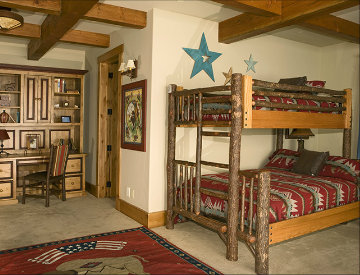
Here is another bunk room from the designers at  Home on the Range. This space in a Lake Catamount house is designed not only for sleeping but with a desk area and a fun game table and chairs.  It makes a great get-away room for either kids or adults.   The Old Hickory beds work beautifully in a mountain home and the stars add a fun accent to the walls.


Home on the Range Western kids room 2

In the bunk room below which was over a “barn” in a Western Homestead Ranch home, we used twin beds and a trundle bed instead of bunk beds.  We kept a fun cowboy western motif in the bedding and kept it very “kid” oriented.

Bunk Room traditional bedroom

http://www.houzz.com

The bunk room above and the bunk room below we found on Houzz and felt they were great examples of western bunk room design. Take a look at the way the reclaimed wood vanity was incorporated into the bunk room above by Locati Architects and below, the bunk room from Design Associates maximizes their space with four built in bunks on one side and a “lit clos” or single built-in bed on the right.  Having the beds built into the side walls of the room allows space for seating in the center of the room.
Montana mix eclectic bedroom
How have you decorated your kids’ rooms here in Colorado? Leave a comment to share, or feel free to post pictures on our Facebook page!

Images: @1 via interior design by Home on the Range, architecture by Steamboat Architectural and photography by Kevin Schultz; 2 interior design by Home on the Range, architecture by Joe Patrick Robbins and photography by Kevin Schultz; 3 interior design by Home on the Range, architecture by Joe Patrick Robbins and photography by Tim Murphy; 4 and 5 via Houzz

Transitional style—a combination of contemporary and traditional design elements—is really big in home design these days and we love the timeless feel it evokes.  We also  love to pair the transitional look with a rustic mountain feel that’s perfect for the Western lifestyle.    Below are some examples of Transitional Mountain style – which also overlaps with Rustic Contemporary style.


Transitional mountain rustic great room by Home on the Range Designer Lynne Barton Bier


This is a great explanation of transitional design from Houzz:

“Through its simple lines, neutral color scheme, and use of light and warmth, transitional style joins the best of both the traditional and modern worlds.”


Rustic Family Room transitional family room

With its updated traditional appeal and natural wood and stone finishes, this family room marries transitional and rustic style in one harmonious space.


Transitional Kitchen & Dining room

This dining room is a great example of transitional with it’s traditional styling paired with more contemporary furniture pieces.   With its wood floors and beams it could easily work in a mountain environment.

We’ve also picked out a few beautiful transitional products that would work well in Western homes.

This Arteriors lamp is one of our top 5 ambient light fixture picks

Modern Classic Galbraith Bedding from Eastern Accents would look stylish in a Colorado bedroom.

This Chair and Ottoman from Wesley Hall would look right at home in a transitional mountain living room.

This Waterloo chandelier from Curry and Company would be perfect for a transitional room

Here is a great chandelier that would work well in a mountain transitional home.  It is one of our favorites from Curry and  Company

http://www.curreycodealers.com/


At Home on the Range, mountain transitional is one of the four main styles we’ve noticed that are important in current Colorado design. We would love to help create a Western interior design scheme perfect for you and your lifestyle. Do you like the mountain transitional look, or do you prefer mountain contemporary, mountain lodge or Old West style? Leave a comment to let us know!

Images: 1 via Home on the Range2 and 3 via Houzz;  4 Arteriors; 5 via Eastern Accents; 6via Wesley Hall  7 via Curry and Company

At Home on the Range Interiors we love to use architectural antiques to add layers and to bring a sense of history into the homes we work on. This is particularly important in second homes where our clients are starting fresh we don’t have the benefit of using their family heirlooms and items from their years of travel and collecting.  We are constantly on the search for pieces that have a lot of textural interest and a patina that only comes with age.  What never ceases to amaze us is how beautifully the colors of age old pieces blend with contemporary design .  When you are putting a room together, try juxtaposing older pieces with newer pieces  in the room to give it more interest and depth. Below we’re sharing a few decorative architectural artifacts , along with photos of rooms  designed by Home on the Range where architectural antiques have been integrated into the design .

Old Indonesian Carving via Shepton’s Antiques

Architectural Corbel, also via Shepton’s Antiques

 Carved Vintage Panel from Madura via Wesco Fabrics

Carved Teak Panel from Vintage Madura Bed, also via Wesco Fabrics

Here are four spaces by Home on the Range that feature architectural antiques.

Shutters add interest to this New Mexico Territorial house.

An antique window grate works well in this Western Mine Style bath.

An antique door adds character to this Mine Style house.

And here, old shutters are used for a mirror.


contact Home on the Range.

Images: 1-2 Shepton’s Antiques; 3-4 Wesco Fabrics Warehouse; 5-8 Interior design by Home on the Range; Photography by Tim Murphy; Architecture by Joe Patrick Robbins; Building by Gary Cogswell