Follow Me

Close

When designing a space, it’s essential to determine the best lighting scheme—one that provides both beauty and function. To do this, you must understand the different types of light that will play into the overall ambiance of a room.

The American Lighting Association offers a wonderful overview of lighting types: ambient, task and accent, taking you through the definitions of each type and the best fixtures to accomplish them.

Think of ambient lighting as the main source of lighting, the foundation for illumination throughout a space. Task lighting does exactly what it sounds like—provides the light you need to do tasks like reading, cooking, working and so on. Accent lighting highlights specific accessories or walls, most often drawing attention to important artwork or architectural details.

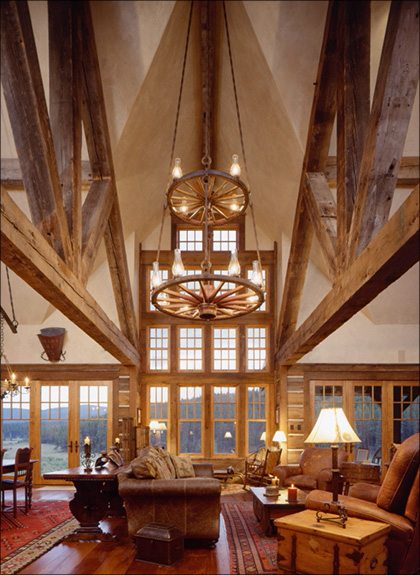
In the Western ranch-style space on the right, we incorporated a chandelier to provide ambient light and brought in table lamps for task lighting.

Visit the American Lighting Association’s helpful guide to learn more about these lighting basics.

Image: Interior design by Home on the Range; Photo by Tim Murphy; Architecture by Joe Patrick Robbins, AIA

Many people hear the words “mixing patterns” and immediately think it’s a big no-no. But done well, mixing patterns can be beautiful, not to mention as sophisticated as it is visually interesting. The lovely shelter magazine Elle Décor did a great piece on “How to Mix Patterns Stylishly.” Here are a couple of suggestions we especially agree with:

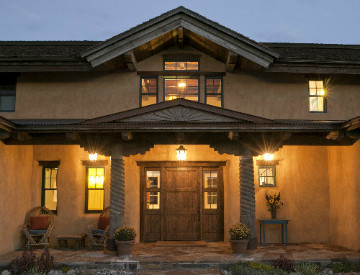
Staying within one color intensity is essential, as is keeping the palette consistent. In this mountain eclectic entry we incorporated pattern in the settee with a bold plaid and added a more neutral pattern on the accent pillows, tying together the patterns with similar red, aqua and gold tones.

But you can also add pattern somewhere more unexpected. Elle Décor suggests adding pattern to other areas as well, like the back side of a dining chair—precisely what we did in this dining room design:

If you’d like pattern expertly incorporated into your Colorado home, contact Home on the Range. We would be happy to help.

Images: Photos by Tim Murphy; Interior designs by Home on the Range; Architecture by Joe Patrick Robbins, AIA

As promised, in addition to explaining the power of home staging, we’re doing posts on key tips for staging your home. We recently came across an article from HGTV—“Top 10 Rules for Staging Homes from The Stagers”—and their tips align closely with our thoughts and experience with home staging. Their 10 rules include:

  1. Make curb appeal a top priority.

    Curb appeal is essential. Here, we used cushions and flowers to add a welcoming touch to the entry.

  2. Clean, clean and clean some more—the home should shine.
  3. Neutralize colors throughout the home to appeal to more people.
  4. Take down personal items like photos of you and your family so prospective buyers can picture themselves in the home.

    Additionally, details like fresh fruits and vegetables make a kitchen inviting and homey.

  5. Arrange the furniture for the best look and flow; hiring a professional is especially helpful in this arena.
  6. Hang updated artwork on the walls.
  7. Don’t ignore needed repairs any longer; get them fixed.
  8. Paint the walls with neutral colors.
  9. Remember prospective buyers will look at the floors, so they should be in good condition.
  10. Old light fixtures stand out as dated. Replace them with new models.

Visit hgtv.com to read more about these helpful tips in detail. If you’re putting your Colorado home on the market and need professional home staging, contact Home on the Range in Steamboat Springs.

Images: Photos by Tim Murphy; Interior designs by Home on the Range; Architecture by Joe Patrick Robbins, AIA